The Secret of Polar Bear Fur: A Solar Energy Conversion System with Hollow Fibers

Jun 9, 2025 By

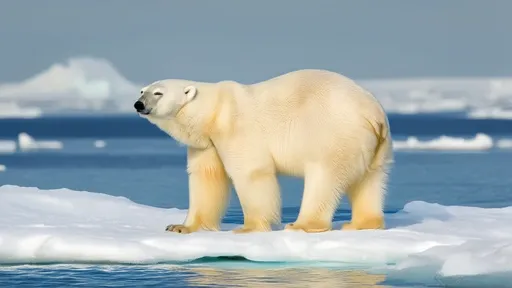
In the frozen expanse of the Arctic, polar bears have long been admired for their ability to thrive in one of the harshest environments on Earth. Their thick, white fur is not just a symbol of the Arctic—it’s a marvel of biological engineering. Recent scientific discoveries have revealed that polar bear fur possesses a unique structure capable of efficiently converting sunlight into heat, a phenomenon that could revolutionize solar energy technology. This finding has sparked a wave of research into bio-inspired materials, with engineers and scientists looking to replicate nature’s design for human applications.

The secret lies in the microscopic structure of polar bear fur. Unlike typical mammalian hair, each strand is hollow, transparent, and scatters light in a way that maximizes solar absorption. The outer layer of the fur reflects visible light, giving the bear its iconic white appearance, while the hollow core traps and conducts ultraviolet (UV) light down to the skin, where it is converted into thermal energy. This dual functionality allows polar bears to stay warm even in sub-zero temperatures, despite their fur appearing white to the naked eye.

Researchers studying this mechanism have drawn parallels to modern solar thermal systems, which often struggle with efficiency losses due to poor light absorption and heat dissipation. By mimicking the structure of polar bear fur, scientists believe they can develop synthetic fibers that enhance solar energy capture. These fibers could be woven into fabrics for winter clothing, integrated into building materials for passive heating, or even used in next-generation solar panels to improve energy conversion rates.

The implications for renewable energy are profound. Traditional solar panels rely on photovoltaic cells to convert sunlight directly into electricity, but they are limited by their inability to harness the full spectrum of solar radiation. A biomimetic approach, inspired by polar bear fur, could lead to hybrid systems that combine photothermal and photovoltaic processes, significantly boosting overall efficiency. Early laboratory experiments with hollow, light-scattering fibers have shown promising results, with some prototypes achieving a 30% increase in energy absorption compared to conventional materials.

Beyond energy applications, this discovery could also influence other fields. For instance, aerospace engineers are exploring how similar materials could be used to regulate temperature in satellites and space suits, where extreme temperature fluctuations pose a constant challenge. Meanwhile, textile manufacturers are experimenting with polar bear-inspired fabrics that could provide lightweight yet ultra-warm insulation for outdoor gear, reducing reliance on down feathers and synthetic fills.

However, replicating nature’s perfection is no simple task. The hollow structure of polar bear fur is the result of millions of years of evolution, fine-tuned to the Arctic environment. Scientists must overcome significant engineering hurdles to mass-produce synthetic versions that match its performance. Challenges include maintaining structural integrity at scale, ensuring durability under real-world conditions, and optimizing production costs to make the technology commercially viable.

Despite these obstacles, the potential rewards are too great to ignore. As climate change accelerates and the demand for sustainable energy solutions grows, innovations like polar bear-inspired solar fibers could play a critical role in reducing our reliance on fossil fuels. Nature has already provided the blueprint—now it’s up to us to bring it to life.

The intersection of biology and technology continues to yield groundbreaking advancements, and the study of polar bear fur is just one example of how nature’s designs can inspire human innovation. From energy to textiles to aerospace, the lessons learned from these Arctic giants may soon heat up industries in ways we’ve only begun to imagine.
Recommend Posts
Nature

Archerfish Eye Structure: Natural Goggles for Underwater Parallax Correction

By /Jun 9, 2025

The natural world has always been a treasure trove of inspiration for scientists and engineers, offering elegant solutions to complex problems. Among its many marvels, the archerfish (commonly known as the shooting or spitfish) stands out for its remarkable ability to hunt prey above water while remaining submerged. This unique hunting technique requires precise vision across two vastly different optical environments—air and water—a challenge that would confound most creatures. Yet, the archerfish accomplishes this feat with astonishing accuracy, thanks to its specialized eye structure.
Nature

Remaking the Title in English: Remora Sucker Disc Biomimicry: Vacuum Technology of Marine Hitchhikers"

By /Jun 9, 2025

The ocean is home to some of nature's most ingenious hitchhikers, and few are as fascinating as the remora, also known as the suckerfish. This remarkable creature has evolved a suction disc on its head that allows it to latch onto larger marine animals like sharks, rays, and even boats. Unlike man-made suction devices, the remora's adhesive mechanism operates flawlessly in turbulent water, resists bacterial growth, and leaves no trace when detached. Scientists and engineers are now looking to this natural design as inspiration for next-generation vacuum technologies with applications ranging from medical devices to underwater robotics.
Nature

Gecko Footpad Magic: Van der Waals Forces and Nanoscale Setae

By /Jun 9, 2025

Geckos have long fascinated scientists with their ability to scurry up walls and across ceilings with effortless grace. This remarkable capability, often referred to as the "magic" of gecko feet, is rooted in the intricate interplay of van der Waals forces and nanoscale structures. Unlike traditional adhesives or suction cups, gecko feet rely on a complex system of microscopic hairs called setae, which exploit weak intermolecular forces to achieve strong adhesion. The study of this phenomenon has not only deepened our understanding of biological systems but also inspired breakthroughs in materials science and robotics.
Nature

Woodpecker Anti-Shock Design: Tongue Bone Wrapping Skull as a Shock Absorber

By /Jun 9, 2025

The natural world has long been a source of inspiration for human innovation, and the woodpecker's remarkable ability to withstand repeated high-impact forces without injury is no exception. Scientists and engineers have turned their attention to this avian marvel, seeking to unravel the secrets behind its built-in shock absorption system. At the heart of this biological wonder lies a complex interplay between the bird's tongue bone and skull structure, offering profound insights for designing next-generation protective gear and safety mechanisms.
Nature

Penguin Feather Coating: Microstructure Locks Air for Cold Resistance

By /Jun 9, 2025

In the unforgiving cold of Antarctica, emperor penguins endure temperatures as low as -40°C while keeping their bodies warm and dry. Scientists have long marveled at their remarkable adaptation, particularly the unique structure of their feathers. Recent breakthroughs in biomimicry have revealed how these feathers create an insulating air layer, inspiring cutting-edge thermal clothing technology that could revolutionize how humans brave extreme cold.
Nature

Axolotl Regeneration Code: Activation Atlas of Stem Cells at Amputated Limbs

By /Jun 9, 2025

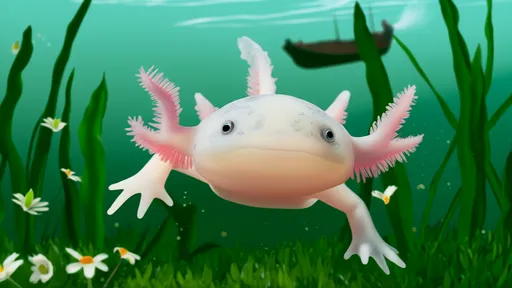
In the murky canals of Xochimilco, Mexico, an unassuming creature holds the key to one of biology's most profound mysteries. The axolotl, a neotenic salamander, can regenerate entire limbs, spinal cords, and even portions of its heart with flawless precision. For decades, scientists have scrutinized this amphibian's miraculous abilities, but only recently have they begun mapping the precise activation patterns of stem cells at amputation sites—a discovery that could rewrite regenerative medicine.
Nature

Butterfly Wing Nanostructures: Physical Coloration Without Pigments

By /Jun 9, 2025

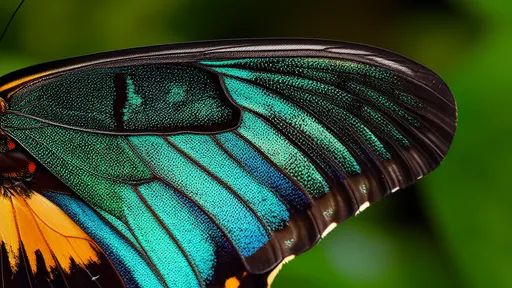
In the vibrant world of color production, nature has long been a master of innovation. While most living organisms rely on pigments to display hues, butterflies have evolved a far more sophisticated mechanism. Their wings shimmer with iridescent blues, radiant greens, and fiery oranges not through chemical pigments, but through an intricate play of light and nanostructures. This phenomenon, known as structural coloration, is rewriting the rules of how we perceive and produce color in materials science, fashion, and even anti-counterfeiting technology.
Nature

Camel Red Blood Cell Deformation: A Special Structure to Cope with Dehydration

By /Jun 9, 2025

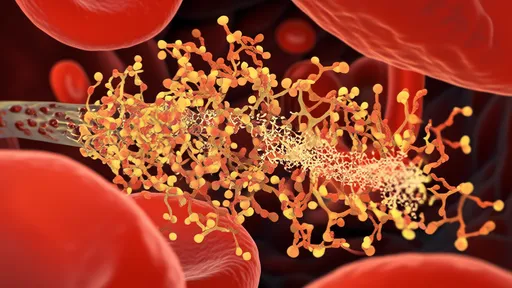
The remarkable ability of camels to survive in arid environments has long fascinated scientists. Among their many physiological adaptations, the unique structure of camel erythrocytes—red blood cells—stands out as a masterstroke of evolutionary engineering. These specialized cells play a crucial role in enabling these desert dwellers to withstand extreme dehydration that would prove fatal to most mammals.
Nature

深海鱿鱼隐身:透明组织与发光器官的伪装

By /Jun 9, 2025

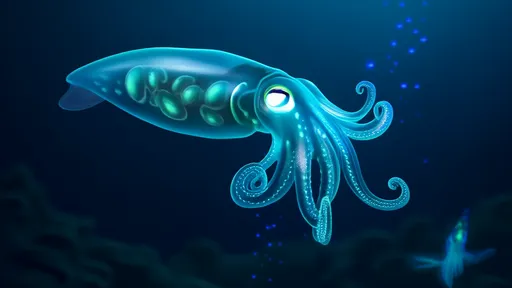
In the perpetual darkness of the deep ocean, where sunlight fades into oblivion, survival demands extraordinary adaptations. Among the most enigmatic inhabitants of this realm are deep-sea squid, masters of disguise that employ a combination of transparent tissues and bioluminescent organs to evade predators and ambush prey. Their camouflage strategies, refined over millions of years, offer a fascinating glimpse into the evolutionary arms race beneath the waves.
Nature

Mole Anti-Cancer Constitution: Natural Protection of Tumor Suppressor Genes

By /Jun 9, 2025

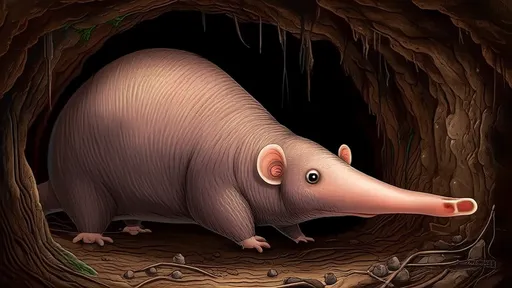
In the shadowy underground world where blind moles spend their lives tunneling through soil, scientists have uncovered an extraordinary biological secret: these unassuming creatures possess a natural resistance to cancer that could rewrite medical textbooks. The star-nosed mole and its subterranean cousins have evolved genetic defenses so effective that researchers have never documented a single case of spontaneous cancer in these animals. This remarkable discovery has sent ripples through the oncology community, offering tantalizing clues about how we might one day conquer humanity's most feared disease.
Nature

Eternal Life of Turritopsis Jellyfish: The Cellular Rejuvenation Mechanism of Age Reversal

By /Jun 9, 2025

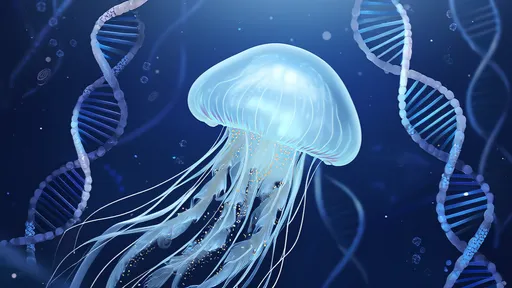
The concept of immortality has long been a subject of human fascination, and while it remains elusive for our species, nature offers a remarkable exception: Turritopsis dohrnii, commonly known as the "immortal jellyfish." This tiny, translucent creature possesses the extraordinary ability to revert its cells back to their earliest form, effectively cheating death. Scientists are now delving deep into its biological mechanisms, hoping to unlock secrets that could revolutionize our understanding of aging and cellular regeneration.
Nature

Hummingbird Hovering Technology: Aerodynamics of 8-Shaped Wing Movement

By /Jun 9, 2025

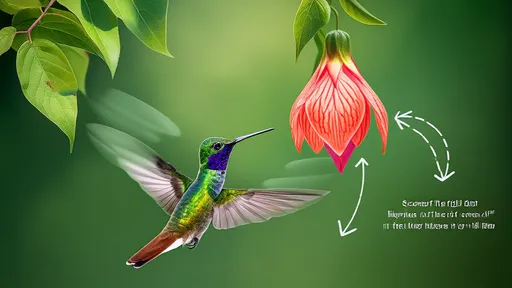
Hummingbirds have long fascinated scientists and engineers with their unparalleled hovering capabilities. Unlike most birds that rely on forward flight, these tiny avian marvels can suspend themselves mid-air with remarkable precision. At the heart of this ability lies a unique wing movement pattern—the figure-eight motion—that defies conventional aerodynamic principles. Recent studies have begun unraveling the secrets behind this biomechanical wonder, offering insights that could revolutionize micro-aerial vehicle design.
Nature

The Biological Principle of the Electric Eel's 600-Volt Discharge Weapon

By /Jun 9, 2025

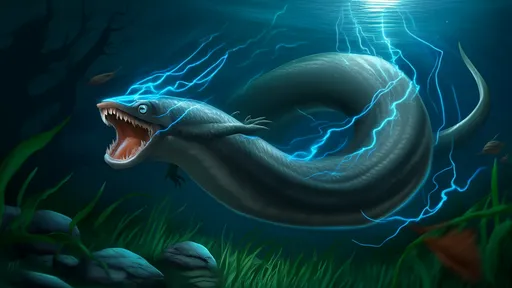
The electric eel, a creature that has fascinated scientists and laymen alike for centuries, possesses one of nature's most extraordinary abilities: the power to generate electric shocks of up to 600 volts. This remarkable capability, which serves both as a weapon and a sensory tool, is the result of millions of years of evolutionary refinement. The biological mechanisms behind this high-voltage discharge are a testament to the ingenuity of natural selection, offering insights that could inspire advancements in bioengineering and medical technology.
Nature

Desert Lizard Water Acquisition: Condensation Design of Skin Capillaries

By /Jun 9, 2025

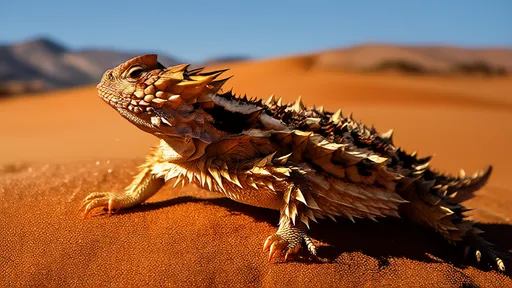
In the harsh, sun-scorched expanses of the Namib Desert, a small lizard has perfected the art of survival where few creatures can. The Namib Desert beetle may have stolen the spotlight with its fog-harvesting techniques, but the thorny devil lizard (Moloch horridus) has developed an equally ingenious method of extracting water from thin air—through its skin. Recent studies reveal that this reptile’s capillary-driven water collection system is a marvel of evolutionary engineering, offering potential breakthroughs for human applications in water-scarce regions.
Nature

The Secret of Polar Bear Fur: A Solar Energy Conversion System with Hollow Fibers

By /Jun 9, 2025

In the frozen expanse of the Arctic, polar bears have long been admired for their ability to thrive in one of the harshest environments on Earth. Their thick, white fur is not just a symbol of the Arctic—it’s a marvel of biological engineering. Recent scientific discoveries have revealed that polar bear fur possesses a unique structure capable of efficiently converting sunlight into heat, a phenomenon that could revolutionize solar energy technology. This finding has sparked a wave of research into bio-inspired materials, with engineers and scientists looking to replicate nature’s design for human applications.
Nature

Anglerfish Mating: Males Devolve into Permanent Parasites

By /Jun 9, 2025

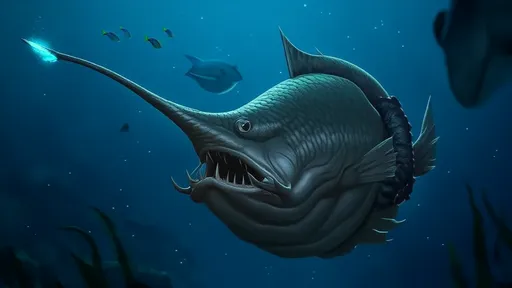
In the dark, crushing depths of the ocean, where sunlight never reaches and pressures are extreme, one of nature’s most bizarre and fascinating reproductive strategies has evolved. The anglerfish, a creature already notorious for its grotesque appearance and bioluminescent lure, takes intimacy to an extreme few species can match. In some species, the male anglerfish does not just mate with the female—he fuses with her, becoming a permanent, parasitic appendage for the rest of his life. This extraordinary adaptation is a testament to the lengths evolution will go to ensure survival in one of Earth’s most inhospitable environments.
Nature

Peacock Spider's Mating Dance: The Vibrant Color Miracle of Microscopic Creatures

By /Jun 9, 2025

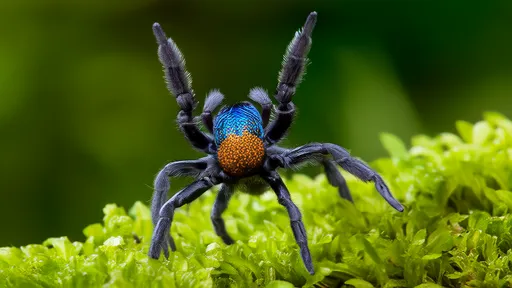
In the sun-dappled undergrowth of Australia's eastern coast, a dazzling spectacle unfolds each spring that would put most Broadway productions to shame. Male peacock spiders (Maratus genus) measuring barely 4-5 millimeters perform intricate courtship dances, combining rapid-fire leg taps, abdomen vibrations, and most remarkably, iridescent abdominal flaps that flash like microscopic stained-glass windows. These chromatic performances represent one of nature's most extraordinary examples of evolutionary theater – where survival hinges on perfecting a milliseconds-long light show.